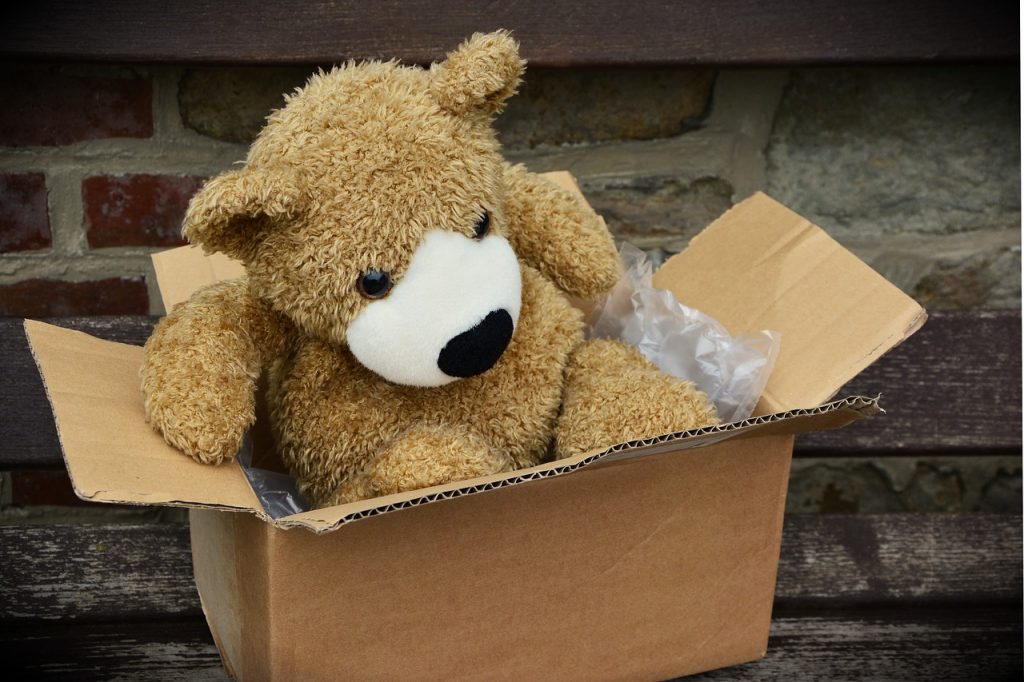
Dropshipping is a way of running an online store without holding stock. You list products, a customer buys from you, and a supplier ships the order straight to that customer. You never touch the item. You earn the difference between what the customer paid you and what the supplier charges you.
That simple idea hides a lot of detail. This guide walks through what actually happens in an order, what you pay for, where the margin comes from and what can go wrong, so you can decide whether the model fits what you want to build.
How a dropshipping order works, step by step
- You list the product. You import the supplier’s product data (photos, description, price) into your store, on Shopify, WooCommerce, a marketplace such as eBay or Amazon, or another platform.
- A customer buys from you. They pay your retail price, plus shipping if you charge it, through your checkout.
- You place the order with the supplier. Manually, through a CSV file, or automatically through an app or integration. You pay the supplier’s wholesale price plus their shipping and any dropship fee.
- The supplier ships to your customer. Good suppliers send the parcel without their own branding (often called “blind” or “white-label” shipping) and give you a tracking number.
- You handle the customer. Questions, delays, returns and refunds are your responsibility, even though you never saw the parcel.
The last step is the one beginners underestimate. To the customer, you are the shop. If the supplier is slow or the item is damaged, the complaint comes to you.
Who the suppliers are
“Dropshipping supplier” covers several different kinds of business. Knowing which one you are dealing with tells you a lot about prices, speed and reliability:
- Manufacturers and brands that run their own dropship programme, often with the best prices and product knowledge, but sometimes with an application process or minimum requirements.
- Wholesalers and distributors that carry many brands from one warehouse, which makes it easier to build a varied catalogue.
- Dropshipping platforms and apps that connect your store to hundreds of suppliers at once and automate product import and order routing.
- Print-on-demand services that print your designs on t-shirts, mugs, posters or books only after an order comes in.
We explain each type in more detail in our guide to the types of drop shippers, and you can browse them all in the supplier directory.
What it costs to start
Dropshipping is cheap to start compared with buying stock, but it is not free. A realistic list of costs looks like this:
- Store platform: a monthly subscription for a hosted platform, or hosting plus a theme and plugins for a self-hosted store.
- Domain name and a professional email address.
- Apps or supplier fees: many platforms and some wholesalers charge a monthly membership; others take a per-order dropship fee.
- Samples: ordering the product yourself before you sell it is the single best way to avoid bad suppliers.
- Marketing: usually the largest cost. Free traffic from search and social media takes months to build; paid ads cost money from day one.
- Payment fees: card processors and marketplaces take a percentage of each sale.
Where the margin comes from
Your gross margin on each order is your selling price minus the product cost, the shipping you pay the supplier, any dropship fee and payment processing fees. What remains then has to cover marketing, apps, returns and your time.
A quick example with round numbers: you sell a lamp for $60. The supplier charges $30 for the lamp and $8 for shipping, the payment processor takes about $2, and there is no dropship fee. Your gross profit is $20. If it costs you $15 in advertising to win that sale, you keep $5 before your monthly costs. That is why the product and the supplier you choose matter so much: a supplier that is $5 cheaper, or a product that customers find without ads, changes the whole business.
Margins tend to be healthier on products customers cannot easily compare on price, such as niche items, bundles, products with a clear use case, or your own brand through private label or print on demand.
The advantages
- Low upfront risk: you only buy a product after a customer has paid for it.
- A wide catalogue: you can offer hundreds of products without a warehouse.
- Easy testing: you can add and remove products quickly to see what sells.
- Location independence: the business can be run from anywhere with an internet connection.
The risks
- Thin margins on products many other stores sell from the same supplier.
- Less control over stock levels, packaging and delivery times.
- Customer service load: you deal with every problem without having the product in hand.
- Supplier dependence: if a supplier raises prices, runs out of stock or closes, your store is affected immediately.
We go through these trade-offs in detail in Dropshipping pros and cons.
Is dropshipping legal?
Yes. Dropshipping is a normal retail arrangement used by large retailers as well as small stores. What you do need to respect are the ordinary rules of selling online: accurate product descriptions, clear delivery times, consumer rights to returns where they apply, product safety rules, sales tax or VAT, and the intellectual property of brands. Selling counterfeit or unlicensed branded goods is illegal whether you dropship them or not.
How to choose a good supplier
The supplier is the part of the business you control least once you start, so choose carefully:
- Check where they ship from. Suppliers with warehouses in your customers’ country usually deliver faster. Our directory lets you filter, for example, suppliers in the USA or suppliers in Europe.
- Read their dropship terms: fees, minimum orders, blind shipping, return policy.
- Check which store platforms they integrate with.
- Order a sample and time the delivery.
Where to go next
If the model fits you, follow our step-by-step guide to starting a dropshipping business, then use the Dropshipping Deal directory to compare suppliers by category, location and business type.